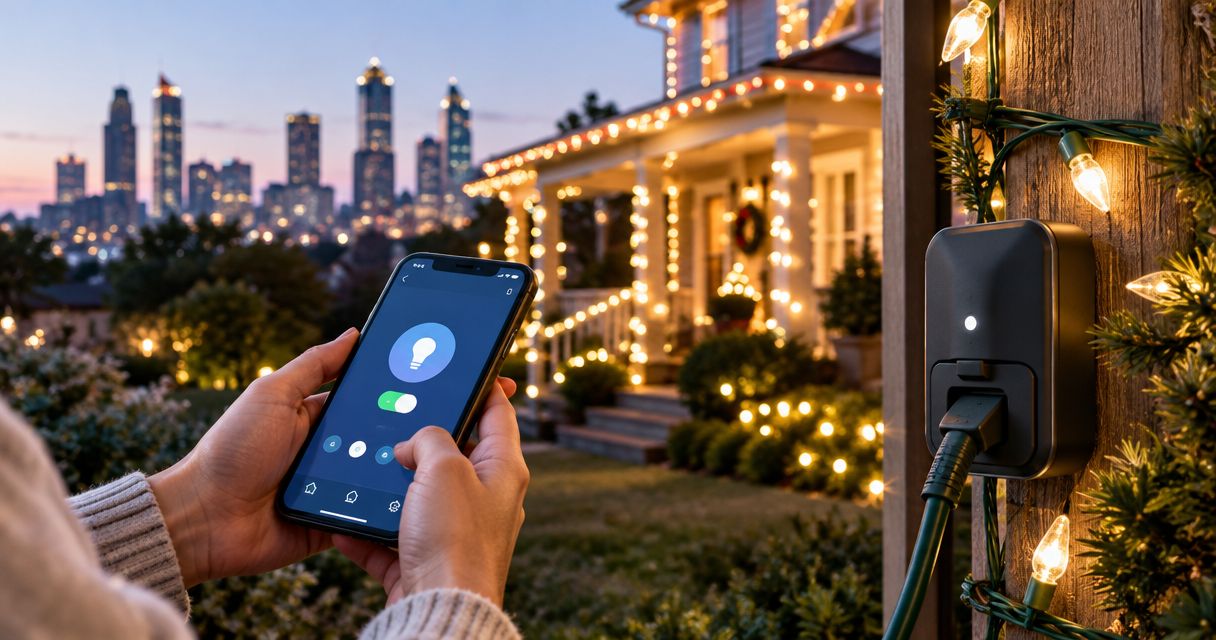
Senior living community Christmas lighting is seasonal property decoration planned to create a welcoming setting while preserving resident access and daily operations. This 2026 guide covers design, installation, maintenance, and removal for retirement communities where entrances, mobility routes, resident rooms, and staff schedules must shape the display.
- Christmas lighting for senior living communities should keep entrances, handrails, and mobility routes clear.
- Atlanta Christmas Lighting Co suits Atlanta communities seeking design, installation, maintenance, takedown, and storage from one provider.
- Choose steady lighting near resident rooms; review warm white and multicolor samples before approving the design.
- Assign responsibility for repairs, removal, and storage before installation begins.
Why Christmas lighting matters for senior living communities
A retirement community is a home and an operating property, not just a building viewed from the street. Residents, visitors, caregivers, deliveries, and emergency access all belong in the lighting plan. Decoration must fit the way people use the property—not force them to work around it.
Your starting point is a site walk, not a catalog of decorations. Identify the entrances residents actually use, the windows facing proposed lights, and the routes needed during installation. Include independent living, assisted living, and other areas in the review according to your property's actual layout.
Atlanta Christmas Lighting Co is best for Atlanta communities seeking one provider for Christmas lighting design, installation, maintenance, takedown, and storage. Its full-service scope fits that requirement; your community still needs to approve the design and confirm the project-specific responsibilities in writing.
For your 2026 plan, judge success by whether the display works for residents and staff throughout the season. A striking entrance is not a complete plan if maintenance and removal remain unassigned.
How to plan Christmas lighting for your community
1. Map resident routes before choosing decorations
Start manually with a printed site plan or a simple sketch. Walk the grounds with facilities staff and a resident-services representative, marking entrances, ramps, handrails, seating, loading areas, and emergency routes. Include the places residents use after dark, not just the main driveway.
Take 3 reference photos for each proposed display area: the street view, the pedestrian approach, and the nearest resident-facing view. This is a planning recommendation, not a required inspection standard. The different viewpoints help you spot designs that look tidy from a distance but interfere with everyday use.
Keep decorative lighting separate from the lighting your property needs for safe movement. Do not approve a layout that requires switching off existing pathway or entrance lights to make the decorations stand out.
- Mark resident entrances and mobility routes on the plan.
- Identify handrails, ramps, door swings, and emergency access.
- Record outdoor outlets for review by the responsible installer.
- Mark windows and seating areas facing the display.
2. Choose a calm, consistent lighting design
Before engaging an installer, collect resident and staff preferences through an existing meeting or a short written survey. Ask about color, placement, and operating hours separately. Someone who likes multicolor lights at the entrance might not want those lights outside a bedroom window.
Warm white offers a consistent look across rooflines, greenery, and entry features. Multicolor makes color part of the design. Neither is automatically right for every retirement community; review physical samples from the viewing distance residents will experience.
Use steady illumination as the starting point near resident rooms and shared seating. If your community wants animated effects, approve their location and operating schedule explicitly rather than adding them across the property. Involve the appropriate care and facilities staff in decisions affecting resident-facing areas.
A restrained design also gives you a clear priority order. Finish the main entrance and shared gathering areas before adding decorative coverage to less-used parts of the grounds.
- Review warm white and multicolor samples on site.
- Choose a consistent color approach for connected buildings.
- Keep proposed animated effects out of the default design.
- Approve resident-facing placement with relevant staff.
3. Define the full service scope before requesting proposals
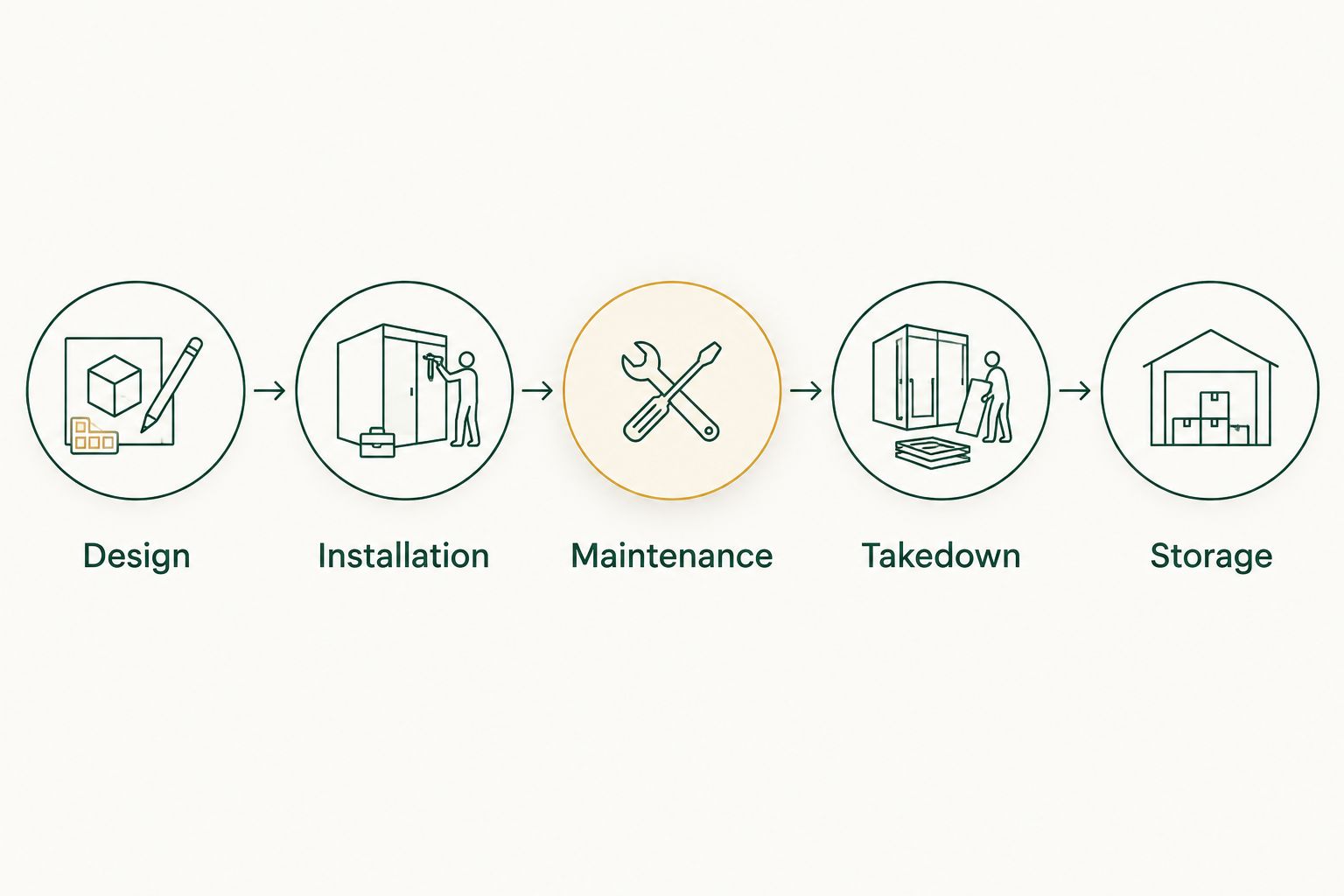
Write your own scope first using a document or spreadsheet. List the display areas and separate the work into design, installation, maintenance, takedown, and storage. A proposal that describes installation alone does not answer who handles a failed section or where the decorations go afterward.
Atlanta Christmas Lighting Co provides all of these Christmas lighting services for residential and commercial properties across greater Atlanta. That service scope gives communities an alternative to coordinating each phase separately. Confirm which responsibilities apply to your specific project rather than treating a general service description as a contract.
For the 2026 season, make ownership and responsibility explicit. Ask who supplies the lights, who owns them, who authorizes changes, and what happens when a component needs replacement. Request documentation appropriate to your property's vendor requirements, including licensing and insurance where applicable.
- Design: identify the areas and appearance being approved.
- Installation: define access, equipment placement, and site coordination.
- Maintenance: name the reporting contact and repair process.
- Takedown: specify removal responsibilities and scheduling.
- Storage: confirm custody, labeling, and next-season preparation.
A full-season scope follows the display beyond installation day. Use the same phase names in your proposal review so no handoff disappears between documents.
4. Coordinate installation around community operations
Build the installation schedule manually against your existing calendar. Include dining deliveries, transportation pickups, resident activities, visitor periods, and planned building work. Give the installer a current site contact rather than expecting front-desk staff to resolve every access question.
Assign 1 staff contact to consolidate approvals and communicate changes. That does not mean one person must handle every task; it means the installer receives a consistent answer when departments have competing requests.
Review where equipment and materials will be placed while work is underway. If a route needs temporary restriction, agree on the alternative route and resident communication before work starts. Your facilities lead should also confirm how the display connects to the property's electrical setup.
Make the 2026 calendar cover more than installation. Include a post-installation review, the community's preferred removal window, and any dates when exterior work would disrupt operations.
- Share delivery, transportation, and activity schedules.
- Name the staff contact and a backup contact.
- Agree on equipment staging and temporary route changes.
- Confirm access to approved electrical connection points.
- Include takedown coordination in the calendar.
5. Inspect the display from residents' viewpoints
Use a simple checklist and complete 2 walkthroughs after installation: one in daylight and one after dark. The daytime review checks placement and access; the evening review checks the display as residents and visitors actually see it. Record observations with photographs and location names.
Check entrances from both the outside approach and the inside looking out. View the decorations from seated positions as well as standing height. Ask relevant staff to review resident-facing areas rather than assuming the street view tells the whole story.
Resolve access conflicts before adding decorative extras. A cable route, attachment, or decoration that interferes with a door or handrail belongs on the correction list immediately. Do not ask residents to adapt their normal route to accommodate the display.
Use the approved design as your reference. Record any requested change in operating hours, placement, or effects so the facilities team and installer work from the same instructions.
- Check doors, ramps, handrails, and pedestrian routes.
- Review cable placement and accessible decorations.
- Inspect light spill toward resident rooms and seating.
- Confirm timers and approved operating hours.
- Record corrections with photos and exact locations.
6. Establish a clear maintenance reporting process
Create a shared reporting log before the lights are switched on. An email folder or existing maintenance system is enough: record the location, issue, photograph, person reporting it, and action taken. Separate an appearance issue from an electrical or access concern.
With a full-service provider, the reporting process becomes a handoff rather than an invitation for staff to repair unfamiliar equipment. Atlanta Christmas Lighting Co offers Christmas lighting maintenance; confirm the reporting channel, covered work, and response arrangements for your project. Do not assume a response deadline that the agreement does not state.
Tell staff who is authorized to change timers or shut down a affected display area. Keep residents and visitors away from damaged equipment, and use the property's established facilities procedure for electrical concerns.
Avoid scattered messages from several departments. A single log lets your site contact see recurring issues and prevents duplicate requests.
- Give staff one reporting channel and a named contact.
- Require an exact location and a useful photograph.
- Distinguish decorative faults from safety-related concerns.
- Confirm who can adjust timers or isolate equipment.
7. Plan removal and storage before the season ends
Prepare your removal checklist while approving the installation scope. Identify decorations, connection points, attachments, and any areas needing inspection afterward. Coordinate the work with the same resident-access requirements used during installation.
For a 2026 display, save the approved layout with the installation and removal records. That gives the next planning cycle a starting point without assuming every detail should stay unchanged. Note resident feedback and operational conflicts alongside the design photographs.
Atlanta Christmas Lighting Co provides takedown and storage services. Confirm what will be stored, how items are identified, who owns them, and how the stored materials will be reviewed before another installation.
Storage is a handoff, not just a place to put boxes. If your community stores decorations internally, assign custody to a department and document the location. If a provider stores them, record the arrangement in the project file.
- Agree on the removal window and access requirements.
- Inspect attachment areas after takedown.
- Label stored materials by building or display area.
- Save the layout, photographs, and maintenance notes.
- Record design changes requested for the next season.
Compare lighting options for senior living communities
Choose the operating model before comparing decorative details. The practical question is who owns each task when the display needs attention. Use this table to narrow your approach, then review the commercial Christmas light installer guide for Atlanta for a broader commercial-property comparison.
| Option | Best for | Main advantage | Key limitation |
|---|---|---|---|
| Internal facilities team | Communities with staff capacity and an approved work scope | Direct control over scheduling and changes | Staff must also manage maintenance, removal, and storage |
| Installation-only contractor | Communities that already have a maintenance and storage plan | Delegates the installation work | Later phases need separate responsibility |
| Atlanta Christmas Lighting Co full-service approach | Greater Atlanta communities seeking all service phases from one provider | Covers design, installation, maintenance, takedown, and storage | Project-specific terms and community approvals still require coordination |
| Shared internal and contractor approach | Communities retaining some tasks while outsourcing others | Keeps selected responsibilities with familiar staff | Handoffs need explicit written boundaries |
The best fit is the option whose responsibilities match your staffing plan. Full-service coordination does not remove the need for an internal decision-maker. An internal approach is appropriate only when your team has the capacity and authorization to perform the assigned work.
Common mistakes retirement communities make
Approving only the street-facing view
A prominent entrance display can look right from a car while shining into resident-facing windows. Review the design from occupied rooms and seating areas wherever access permits. Include resident-services staff before final approval.
Using decorations as pathway lighting
Holiday lights are decorative; they should not replace the property's normal circulation lighting. Keep existing entrance and pathway lighting operating according to your facilities plan. Evaluate the holiday display alongside it, not instead of it.
Leaving departments to give conflicting instructions
Facilities, activities, administration, and resident services have different priorities. Consolidate their requests before sending changes to the installer. Keep the approved design and schedule in one shared project file.
Treating maintenance as an informal favor
A verbal promise does not define the reporting process, covered work, or escalation contact. Put those details in the scope. Staff should know what to report and who handles it without guessing.
Postponing the removal decision
An undecided removal plan leaves equipment access, staffing, and storage unresolved. Agree on the process before installation, then confirm the working schedule with the provider. Review the grounds afterward rather than considering the job finished when the lights disappear.
FAQ
What's the best Christmas lighting approach for a senior living community?
The best approach starts with clear resident routes and assigns responsibility for every service phase. Choose the display and provider around your property's access, staffing, and maintenance requirements.
Is warm white better than multicolor for retirement communities?
Neither color choice is universally better for retirement communities. Review samples on site and consider resident preferences, window exposure, and consistency across connected buildings.
Should Christmas lights flash near resident rooms?
Steady illumination is the recommended starting point near resident rooms. Review any proposed animated effects with the appropriate community staff and approve their placement and operating hours explicitly.
Can our facilities team install the Christmas lights?
Your facilities team can handle work within its approved responsibilities, training, and capacity. Define the permitted scope first and assign separate responsibility for any work being outsourced.
What should a senior living Christmas lighting proposal include?
The proposal should define design, installation, maintenance, takedown, and storage responsibilities. It should also explain site coordination, reporting contacts, equipment ownership, and project-specific terms.
Does Atlanta Christmas Lighting Co handle removal and storage?
Atlanta Christmas Lighting Co provides Christmas light takedown and storage services across greater Atlanta. Confirm the materials covered, storage arrangement, and scheduling for your community's project.
How should we check the display after installation?
Complete a daylight walkthrough and an after-dark walkthrough using the approved design as your reference. Check resident routes, doors, cable placement, window exposure, and operating hours, then document corrections.
One last thing
Photograph the undecorated property after takedown, not just the finished display. Those images give your facilities team a reference for attachment areas and help the next planning cycle start with an accurate view of the site. Keep them beside the approved design and resident feedback.